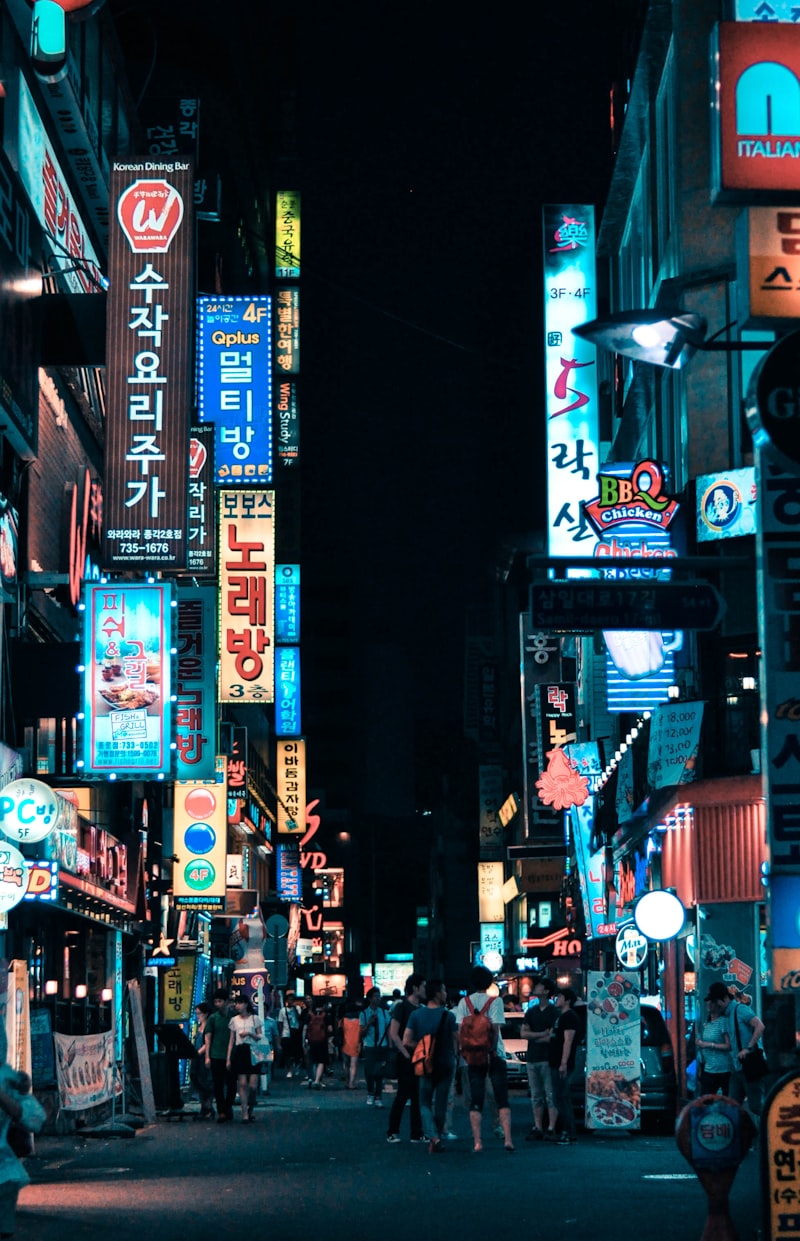
South Korea has the fastest average mobile internet speeds of any country on Earth, and lamasim's South Korea eSIM is built to take full advantage of it. Running on both KT (KT Corporation) and SKT (SK Telecom) — the two dominant carriers whose combined networks blanket the Korean Peninsula — this plan delivers 4G LTE and 5G connectivity from Seoul's Gangnam district to the coastal city of Busan, with plans starting from just $4.20 per week. For the millions of travelers drawn by K-pop culture, K-drama filming locations, night markets, and the stirring history of the DMZ, staying connected in South Korea is part of the experience. You'll need live data for navigating Seoul's Subway with its 9 interlocking lines, translating Korean menus in real time, streaming music in Hongdae, and booking KTX bullet train tickets between cities. Coverage extends reliably into the mountains of Seoraksan National Park, the beaches of Jeju Island, and the historic alleys of Gyeongju. Setup requires no ID submission and completes in under 60 seconds. Hotspot is included on every plan, which matters enormously in South Korea where travel companions, YouTube filming, and remote work are all part of the modern Korean travel itinerary. With a 4.8-star rating from verified travelers, lamasim is the choice of K-culture fans and business travelers alike.
Is South Korea eSIM Worth It?
International carrier roaming in South Korea typically costs $10 to $15 per day, meaning a one-week trip runs $70 to $105 in roaming charges alone — often more if you're on a premium home carrier plan. lamasim's South Korea eSIM starts at $4.20 per week, saving the average traveler between $66 and $100 on a standard trip. Physical SIM cards purchased at Incheon International Airport's arrival hall kiosks typically start around KRW 15,000 to 33,000 (roughly $11 to $24 USD) for a week of data, and require you to wait in line, present your passport, and swap out your physical SIM. With lamasim, your eSIM is active before your KAL flight even lands. This is particularly valuable for travelers transiting through Incheon, which is a major hub for connecting flights across Northeast Asia. The hotspot feature is also a standout benefit — pocket Wi-Fi rentals at Korean airports cost KRW 3,000 to 5,000 per day ($2.20 to $3.70) on top of roaming, an expense lamasim eliminates entirely.
Best Networks in South Korea
lamasim's South Korea plan provides access to both KT and SKT, the two largest carriers in the country and the ones responsible for South Korea's world-leading average download speeds. KT and SKT each operate nationwide 4G LTE networks with near-total coverage of all 17 metropolitan areas, plus robust 5G infrastructure in Seoul, Incheon, Busan, Daegu, Gwangju, and Daejeon. KT tends to perform particularly well inside KTX train stations and aboard the high-speed rail between Seoul and Busan. SKT has historically led in 5G download benchmarks in Seoul's dense urban core, particularly in Gangnam, Mapo, and Yongsan districts. Both carriers offer strong performance on Jeju Island, South Korea's most popular domestic destination, with good coverage along the Jeju Olle trails and coastal roads. In the DMZ tour zone north of Seoul, KT maintains functional coverage — enough for photography uploads and messaging, though speeds vary near the border. Mountain coverage in Seoraksan and Jirisan national parks is reliable along main hiking trails but weakens at higher elevations.
How to Install eSIM in South Korea
Your lamasim South Korea eSIM can be installed any time before or after arrival at Incheon or Gimpo airports. The process requires no ID and takes under 60 seconds. On iPhone (XS or later, iOS 16+): Open Settings, tap Mobile Service, then Add eSIM. Select Use QR Code and scan the QR code from your lamasim confirmation email or app. Your phone will download the KT or SKT carrier profile. Once installed, go to Mobile Service settings and set the lamasim eSIM as your preferred data line. On Android (Samsung Galaxy S20 or later, Google Pixel 3a or later): Open Settings, navigate to Connections, then SIM Manager. Tap Add Mobile Plan, scan the QR code, and accept the carrier profile installation. Set the new eSIM as your data SIM. South Korea-specific note: Korean immigration Wi-Fi at Incheon Airport is available in the arrival hall, so you can complete your eSIM setup during baggage claim if you didn't install it beforehand. The eSIM connects to whichever of the two partner networks (KT or SKT) has the stronger signal at your location automatically.
South Korea Data Usage Tips
South Korea is a remarkably data-friendly country — public Wi-Fi is widespread, but your lamasim plan will outperform it in speed and reliability almost everywhere. Naver Maps over Google Maps: In South Korea, Naver Maps and Kakao Maps are far more accurate for local navigation, business listings, and public transit than Google Maps. Both apps work seamlessly with your lamasim data connection and are available in English. Papago for real-time translation: Korean restaurant menus, signs, and product labels often have no English equivalent. Naver's Papago app uses your camera for real-time AR translation — essential and data-light. KTX ticket booking: Use Korail's app or website to book bullet train seats between Seoul and Busan. Tickets sell out quickly on weekends and require live data to check availability. K-pop location maps: Fan-made apps for visiting idol agency buildings, drama filming locations, and music show venues in Hongdae and Myeongdong all rely on live GPS and data. Monitor data at PC bangs: South Korea's famous gaming cafes (PC bangs) have excellent local Wi-Fi, a good place to do heavy downloads and save your lamasim data for on-the-go use.
“I was uploading 4K footage from the BTS museum in Seoul with zero buffering. South Korea's network is another level, and lamasim made accessing it completely effortless.”
— Ji-woo L., Toronto
Frequently Asked Questions — South Korea eSIM
- Does the lamasim South Korea eSIM work in the DMZ tour zone?
- Coverage in the Demilitarized Zone and surrounding tour areas is functional for basic use. KT maintains network infrastructure in the region, so messaging and photo uploads typically work. However, speeds near the northern border can be inconsistent, and some heavily restricted areas may have no signal at all.
- Will my eSIM work on the KTX bullet train between Seoul and Busan?
- Yes. KT and SKT both provide in-motion coverage along the KTX Gyeongbu line between Seoul Station and Busan Station. Speeds vary through tunnels but connectivity is generally maintained for messaging and streaming throughout most of the journey.
- Does the South Korea eSIM work on Jeju Island?
- Yes, Jeju Island has full KT and SKT 4G/5G coverage across the main tourist areas, coastal roads, and Jeju City. Coverage is slightly reduced in the more remote areas of Hallasan National Park at higher elevations but remains functional on the main trails.
- Can I use the hotspot feature to share data with my travel companions?
- Yes. Hotspot (personal hotspot / mobile tethering) is included on all lamasim South Korea plans at no extra charge. You can share your connection with friends, family, or colleagues — useful when exploring Seoul or traveling between cities together.
- How does South Korea's network speed compare to what I'm used to at home?
- South Korea consistently ranks first globally for average mobile download speeds. On 5G in Seoul, speeds of 200–500 Mbps are common. Even on 4G LTE, speeds routinely reach 50–150 Mbps. Most travelers from Europe, North America, or Australia will notice a significant improvement over home network speeds.